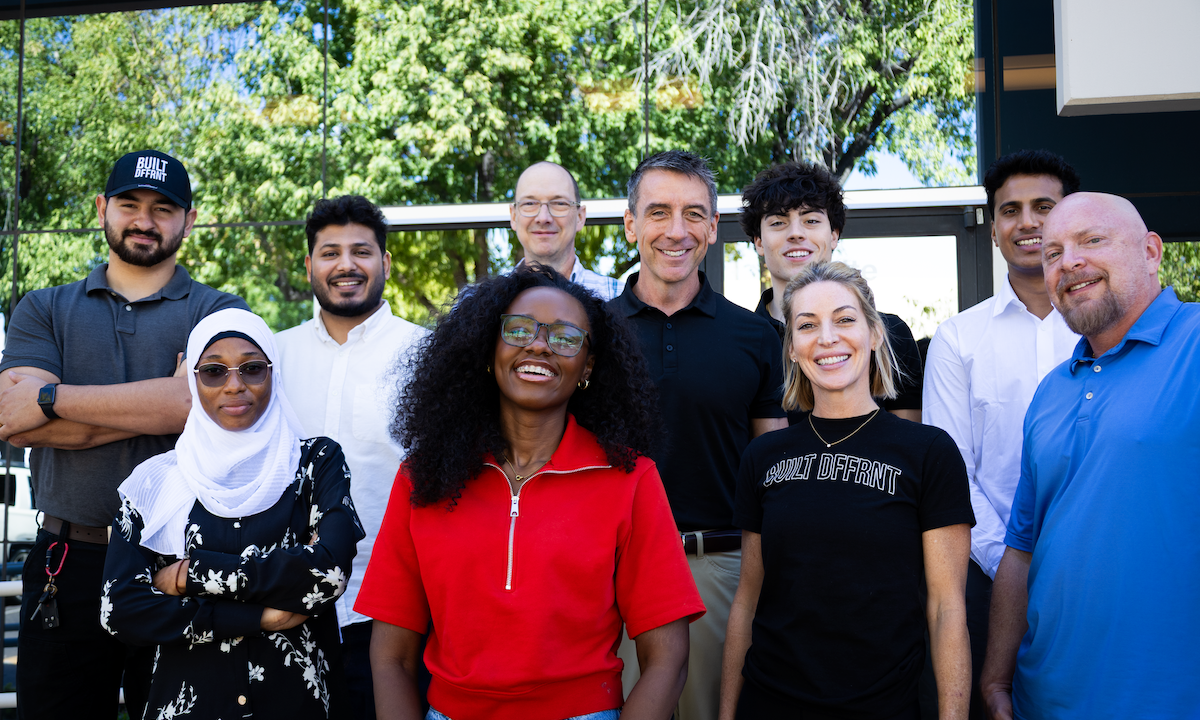
Construction is an industry built on experience. At Bjerk Builders, that experience matters, but so does knowing when there is a better way to do something.
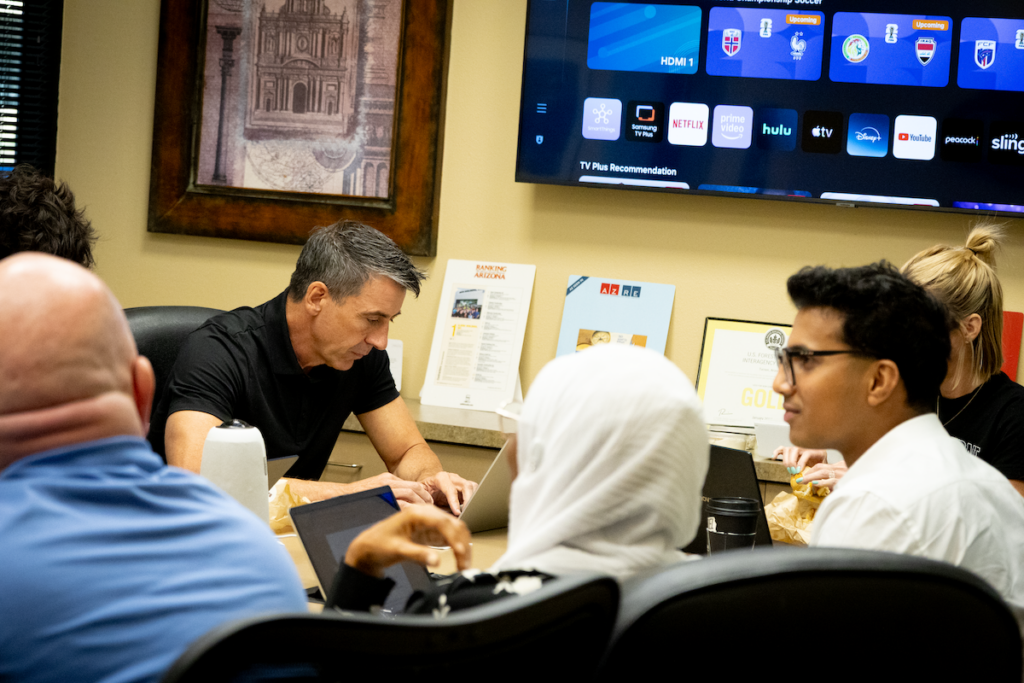
That is why Bjerk has partnered with students and graduates from Arizona State University’s data analytics programs to take a closer look at something most construction companies don’t have enough time to examine: how work actually moves through the organization.
The goal isn’t to replace experience with data. It’s to use data to make that experience work harder.
Bringing a Different Perspective to Data Analytics
ASU’s business data analytics program is designed around a simple premise: organizations have enormous amounts of information, but the real value comes from knowing how to gather it, organize it, analyze it and turn it into better business decisions.
That skill set translates surprisingly well to construction.
A construction company generates data at nearly every stage of a project, from estimating and proposals to purchasing, scheduling, subcontractor coordination, project management and closeout.
The challenge is that having data and using data effectively are two very different things.
Bjerk’s ASU interns were brought into that gap.
Rather than simply assigning them a list of administrative tasks, Bjerk gave them an opportunity to examine existing processes, review the data behind those processes and ask a question that can be uncomfortable in any established organization:
Why do we do it this way?
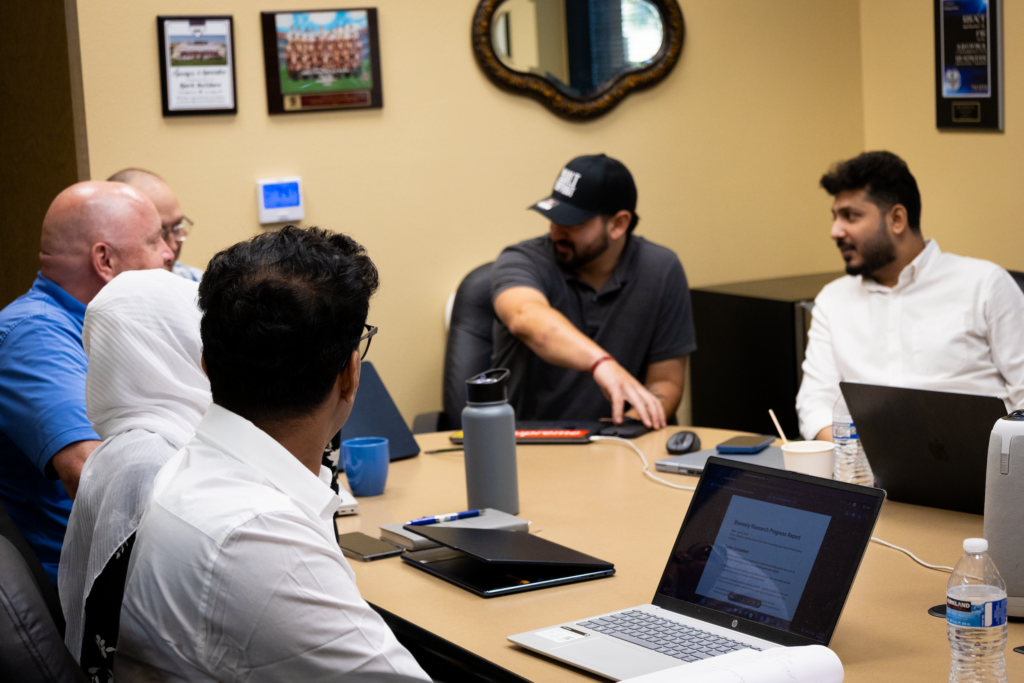
Start With the Process. Then Look at the Data.
The work began by looking at existing workflows and identifying where information was being collected, where it was being duplicated, where people were spending unnecessary time and where decisions were dependent on manual steps.
That distinction is important.
The objective wasn’t to create more reports. It was to understand the flow of information through the business. Bjerk already has a defined process for moving projects from initial inquiry through preconstruction, budgeting, design, bidding, construction and closeout.
The analytics work provided another lens through which to evaluate that process.
- Where could information move faster?
- Where could a repetitive task be simplified?
- Where was someone entering information that already existed somewhere else?
- Where could existing data provide an answer instead of requiring someone to go find it manually?
Those questions may sound small individually. Across hundreds of projects and thousands of individual decisions, they aren’t.
Turning Existing Data Into a Business Tool
One of the biggest opportunities was recognizing that Bjerk didn’t necessarily need more information.
It needed to make better use of the information it already had. That meant examining existing datasets and processes to identify patterns, opportunities for automation and areas where information could be surfaced more efficiently.
This is exactly the kind of applied work ASU’s data analytics curriculum prepares students to perform. The program emphasizes data gathering, cleansing, integration, modeling and visualization for business decision-making.
For Bjerk, the application is practical:
Less hunting. Less re-entering. Less waiting. More doing.
The Advantage of Looking at Construction From the Outside
There is another benefit to bringing data analytics students into a construction environment.
They aren’t coming in with decades of assumptions about how construction companies are supposed to operate. They come in asking questions. That outside perspective can be valuable.
An experienced construction professional might immediately understand why a particular process exists. A data analyst may ask whether it still needs to exist.
Neither perspective is sufficient by itself.
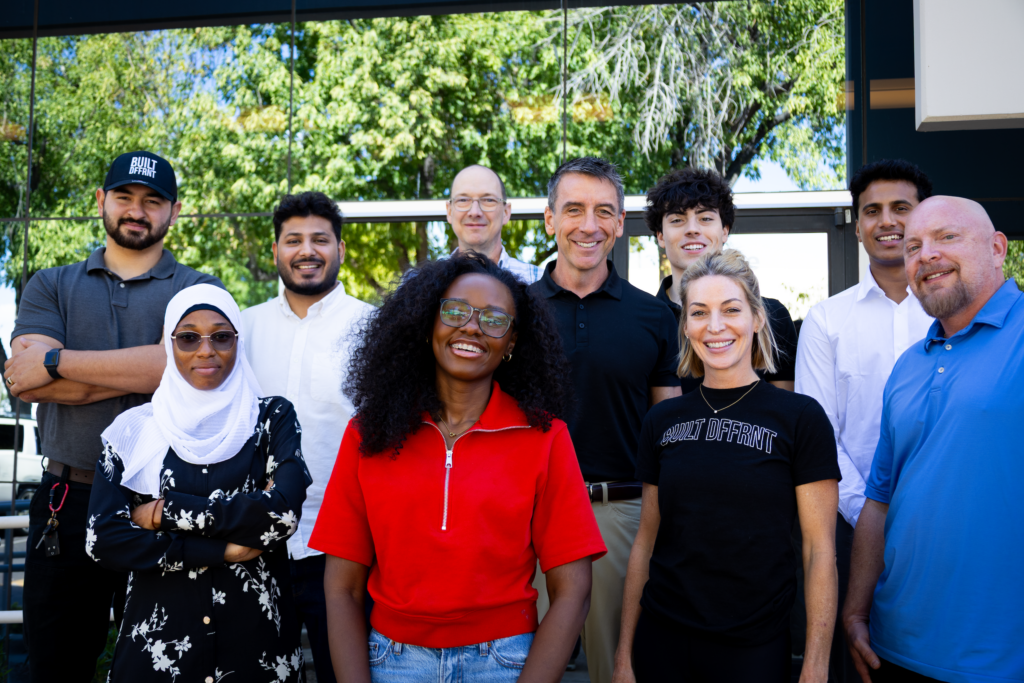
Together, they can be powerful. That is part of the Bjerk approach to being Built Dffrnt – combining construction experience with technology, data and continuous improvement to find practical ways to do better work.
Built Dffrnt Means Never Assuming “That’s How We’ve Always Done It” Is Good Enough
Construction will always require people who know how to build. But the companies that lead the next generation of construction will also know how to examine how they build.
For Bjerk Builders, the partnership with ASU data analytics talent is part of that evolution.
- Take the experience.
- Examine the process.
- Follow the data.
- Remove the friction.
- Move faster.
That’s Built Dffrnt.